

impacted from unplanned downtime and unnecessary maintenance?
Improve your Site’s Performance
The cost of unreliability can have a significant financial impact on your plant. Our Asset Reliability Team can conduct a Performance Assessment & Improvement Strategy based on your challenges to improve reliability and performance.
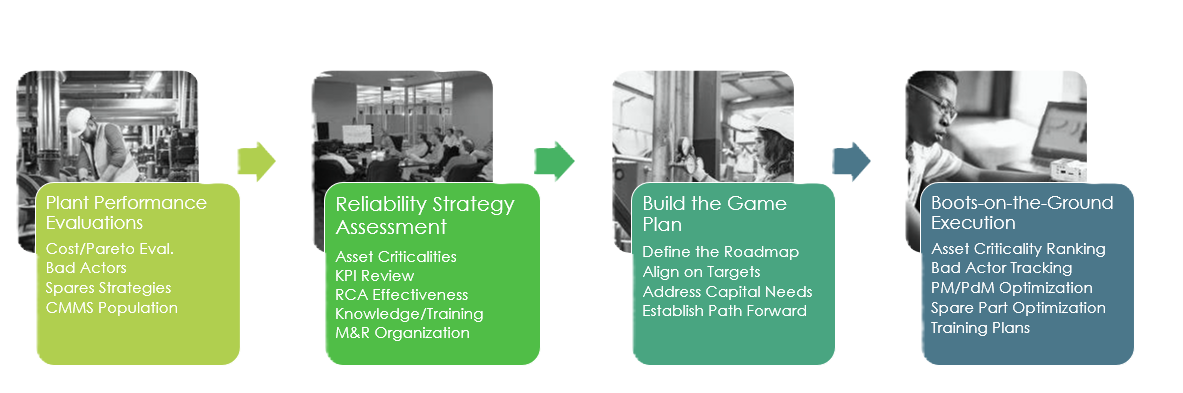
Committed to clients by offering innovative solutions.
Practical Solutions
Mechanical Integrity Programs
Mechanical Integrity (MI) programs are implemented among heavy processing industries to ensure assets are not only designed and installed correctly, but also capable of operating seamlessly to prevent plant failures, incidents or hazards.
Mechanical integrity programs keep people safe and ensure that equipment operates effectively. Additionally, it is decreed by OSHA 29 CFR 1910.119.
The Development of MI Programs involves the following five steps:

A Phased Approach to CMMS Implementation
An improperly set up CMMS or insufficient user training causes issues, leading to inaccurate data management. Effective management of computerized maintenance management systems (CMMS) relies heavily on accurate master data and proper end-user training to ensure system reliability and audit readiness.
Data cleansing, proper preparation for ERP migration, ongoing training, and phased implementation using asset monitoring systems can optimize maintenance operations, maximize audit compliance, and improve asset reliability.

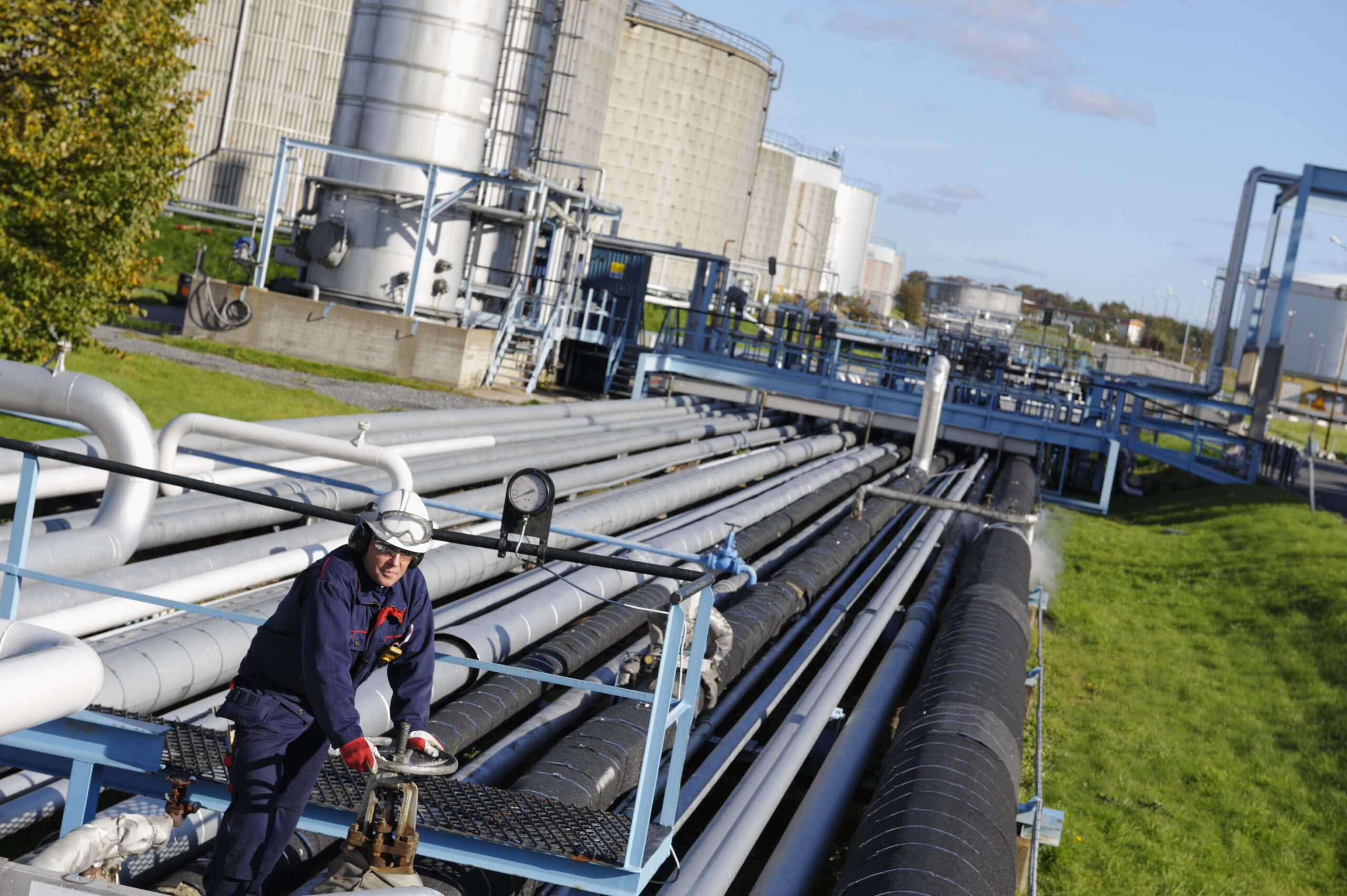
Risk-Based Inspections
Risk-Based Inspection (RBI) is a strategic approach to inspection planning that prioritizes equipment based on the likelihood of failure (LoF) and the consequences of failure (CoF). Instead of inspecting all assets on a fixed schedule, RBI focuses resources on the most critical equipment—those that pose the greatest risk to safety, operations, or the environment.
This methodology is widely used in industries like refining, petrochemicals, and manufacturing, especially for fixed equipment such as furnaces, heat exchangers, and pressure vessels.