

Reliability & Mechanical Integrity

Optimize Your Site’s Asset Performance

Reliability

impacted from unplanned downtime and unnecessary maintenance?

Improve your Site’s Performance

The cost of unreliability can have a significant financial impact on your plant. Our Asset Reliability Team can conduct a Performance Assessment & Improvement Strategy based on your challenges to improve reliability and performance.
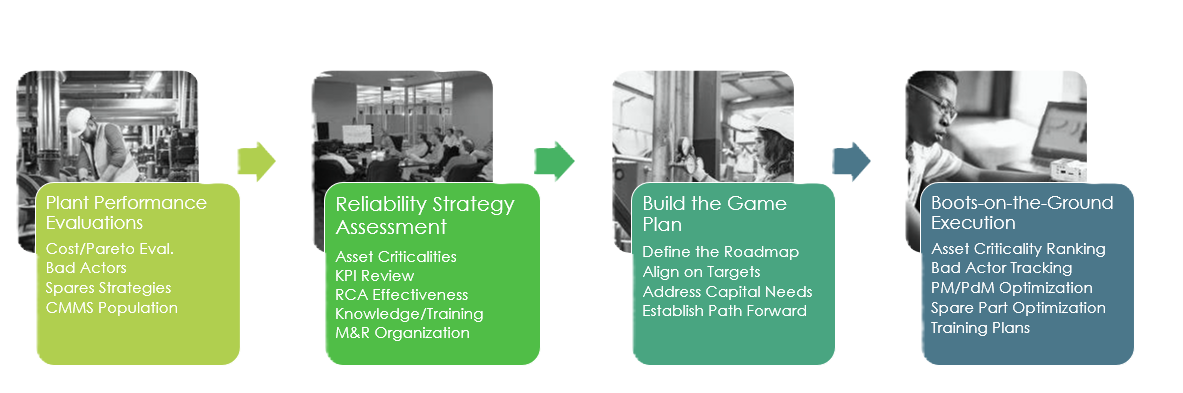
Performance Assessment & Improvement Strategy

Committed to clients by offering innovative solutions.

  • CMMS & MRO Solutions
  • Project Management
  • Planning & Scheduling Solutions
  • PM Development & Implementation
  • Turnaround Solutions & Management
  • Asset Assessments
  • Reliability Training
  • Reliability Audits
  • Root Cause Analysis
  • Predictive & Preventive Maintenance
  • RAM Modeling
  • Risk-Based Inspections
  • Asset Cost Modeling

Practical Solutions 

Mechanical Integrity Programs

Mechanical Integrity (MI) programs are implemented among heavy processing industries to ensure assets are not only designed and installed correctly, but also capable of operating seamlessly to prevent plant failures, incidents or hazards.

Mechanical integrity programs keep people safe and ensure that equipment operates effectively. Additionally, it is decreed by OSHA 29 CFR 1910.119.

The Development of MI Programs involves the following five steps:

  • Define the program and develop MI charter
  • Identify key stakeholders and associated org chart
  • Develop the project schedule and milestones
  • Evaluate required resources to execute
  • Gain organizational buy-in for long-term support
  • Where in the site is covered under PSM regulation?
  • What assets are covered within the identified process systems?
  • What associated infrastructure is included under the MI umbrella?
  • Assets that typically fall into this program include:
    • Pressure vessels
    • Storage tanks
    • Piping systems
    • Relief devices
    • Emergency shutdown/control systems
  • Accurate and organized data is arguably the key element of an effective MI program.
  • Asset and process system documentation must accurately reflect field conditions.
  • The organization and use of this documentation serves as the basis for the actions to come.
  • An Inspection Data Management System (IDMS) provides a central location for personnel to track and monitor the life of assets.
    • Precision Installation Records
    • Routine and TA Inspections
    • Fitness for Service Capabilities
    • Risk Profiles and Prioritization
  • This leads to quick and informed decision-making when:
    • Identifying turnaround/outage scopes
    • Developing capital spend plans
    • Determining resource allocation
  • Understanding risk is the catalyst for making informed decisions.
  • Engineering and data science have provided tools that allow owners to fully understand their risk profiles:
    • Risk-Based Inspection (API 580/581)
    • Failure Modes and Effects Analysis
    • Reliability Availability Maintainability
    • Root Cause Analysis
    • Damage Mechanisms: Corrosion and Materials (API 571)
    • Condition Monitoring Location (CML) Optimization
    • Fitness for Service (API 579)
    • Lifecycle Cost Analysis
    • Corrosion Control Document (CCD)
    • Integrity Operating Windows (IOW)
    • Damage Mechanism Review (DMR)
  • Once the program has been defined and data understood, sustainable work practices are put in place.
  • Then, the revolution of Plan-Do-Check-Adjust is the norm.
    • Investment Prioritization
    • Maintenance and Turnaround Plans
    • Digital Transformation
    • Criticality-Defined Condition Monitoring
    • Capital Deployment
    • Quality Assurance & Quality Control
    • Fabricator and Vendor Surveillance
mechanical integrity

A Phased Approach to CMMS Implementation

An improperly set up CMMS or insufficient user training causes issues, leading to inaccurate data management. Effective management of computerized maintenance management systems (CMMS) relies heavily on accurate master data and proper end-user training to ensure system reliability and audit readiness.

Data cleansing, proper preparation for ERP migration, ongoing training, and phased implementation using asset monitoring systems can optimize maintenance operations, maximize audit compliance, and improve asset reliability.

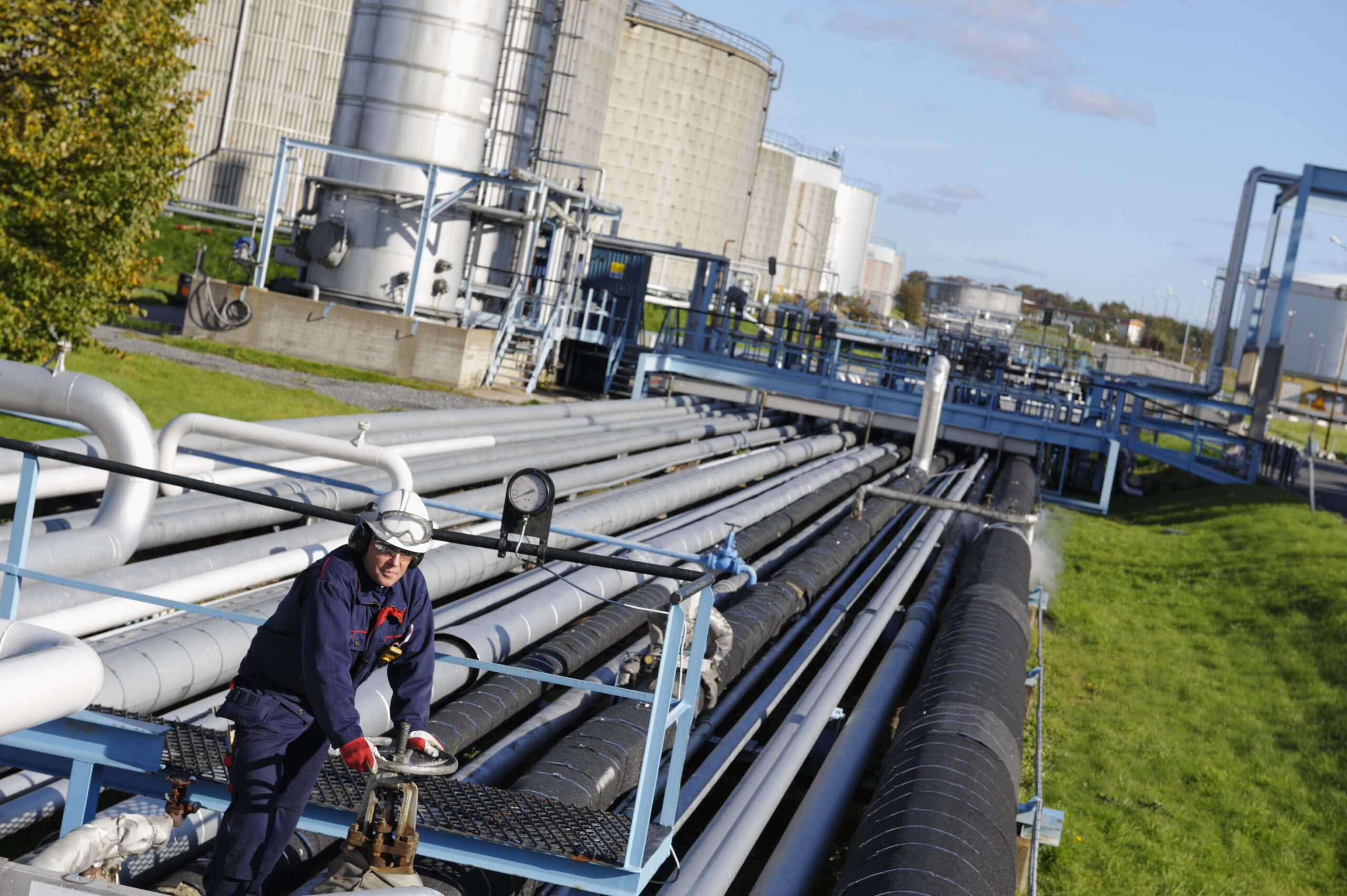
oil and gas chemical tank with oil refinery plant
Risk-Based Inspections

Risk-Based Inspections

Risk-Based Inspection (RBI) is a strategic approach to inspection planning that prioritizes equipment based on the likelihood of failure (LoF) and the consequences of failure (CoF). Instead of inspecting all assets on a fixed schedule, RBI focuses resources on the most critical equipment—those that pose the greatest risk to safety, operations, or the environment.

This methodology is widely used in industries like refining, petrochemicals, and manufacturing, especially for fixed equipment such as furnaces, heat exchangers, and pressure vessels.

Be the Leader of a Great Plant!

Request a Meeting
Execute a Custom Plan
Lead a Great Plant

Connect with Tormod

Follow Us on LinkedIn